
Released November 11, 2025.
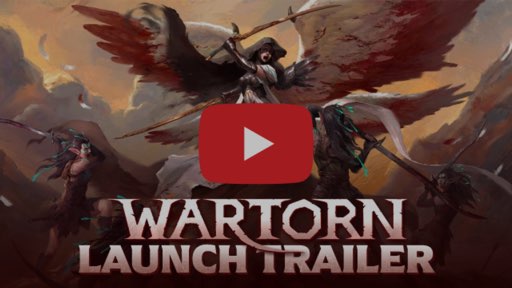
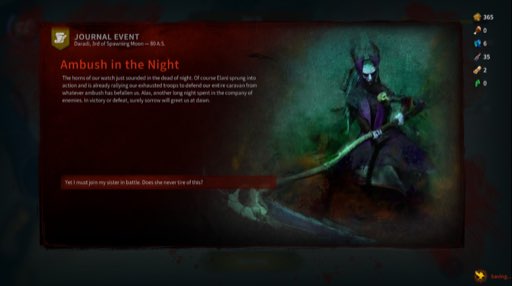
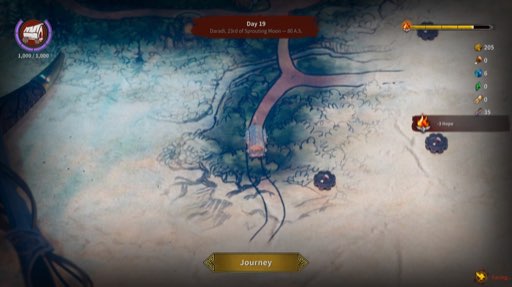
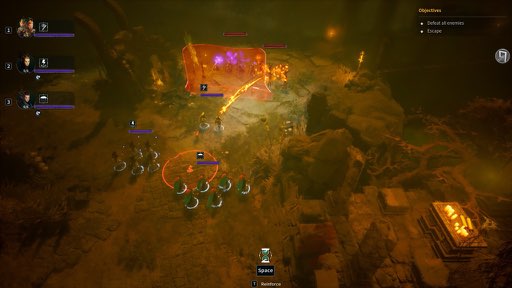
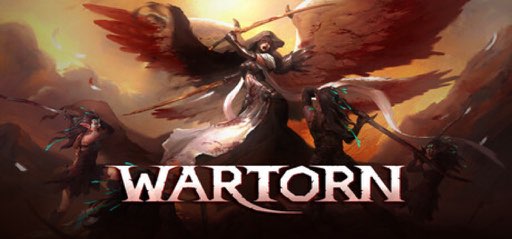
Two sisters, Yara and Elani, journey toward the ancestral fortress of Beynun, commanding squads of fantastical creatures along the way. “Roguelite structure turns survival into a series of fragile victories, where new routes, upgrades, heirlooms, and stories emerge with each run.” Wartorn is a fantasy RTS/RPG hybrid from Stray Kite Studios that blends early-RTS feel (think Myth: The Fallen Lords), roguelike structure (Hades), and procedural storytelling — about six hours per successful run.
wartorngame.com · Play on Steam
Behind the Scenes on Wartorn
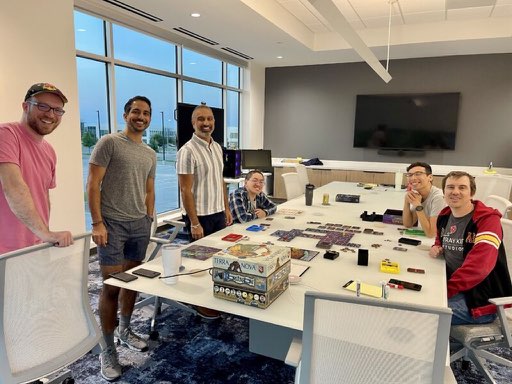
Two Christians on the development team — lead writer Scott Magie and level designer Mike Madden, both involved with the Imladris community of Christian game developers — sat down to talk about their work on the game.
The game’s design principle, per Magie, is to be “brutal in every sense of the word, but without punishing or withholding rewards from the player.” That brutality shows up in art style, mechanics (including friendly fire), gore, destructible environments, an original score by Felipe Tellez, moral narrative dilemmas, loss of named units, and expansive maps. The narrative also incorporates Hindu concepts like Mantras and Avatars — reinterpreted inside the fictional Isles of Talaur.
Meet the Developers
- Mike Madden — Level designer with 20 years of industry experience and seven AAA titles, including multiple Call of Duty games at Infinity Ward and Treyarch. Specializes in level flow, player engagement, and pacing.
- Scott Magie — Writer, producer, and filmmaker who has led Flipbook Moving Pictures LLC for two decades. Produced content for Moody Publishers and 2K Games; directed award-winning films and documentaries.
Q1. Different entry points on the project
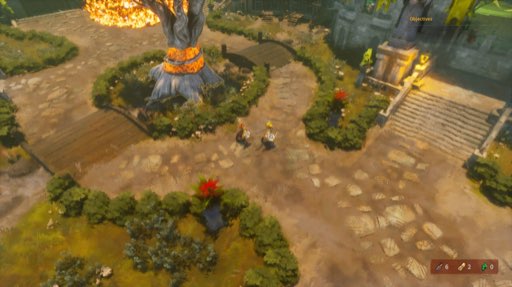
Mike Madden came on during pre-production. “I love that wide-open playground of exploration and experimentation.” The team prototyped fully procedural maps, hand-crafted arenas, terrain generators, massive continents, and focused combat spaces before landing on a hybrid: hand-crafted gameplay levels with procedurally generated backgrounds for freshness. “There’s nothing more satisfying than setting that foundation and then watching a game grow from it.”
Scott Magie came on at the end, when the RTS mechanics and battle maps were already well-developed. The two elf sisters, a rotating companion cast of elves, goblins, demons, trolls, and treefolk, and the conflict between Mantras were decided. Magie fleshed out characters, plot, world, and islands — writing about 200,000 words alongside comic writer Melissa Flores (Power Rangers) and Creative Director Paul Hellquist (BioShock, Borderlands 2). “That’s more words than The Fellowship of the Ring!”
Q2. Team culture around faith
Mike: The team was “genuinely respectful” of diverse backgrounds and beliefs. He was “fairly open” about his faith while remaining respectful of others. “A delicate balance on diverse teams, but when it works, it creates an environment where everyone can do their best work.”
Scott: Working as a remote contractor, he found the team treated contractors as “equally important members.” Faith came up in his interview when discussing his proudest project; otherwise religion was only discussed as a worldbuilding input on Hindu concepts vs. Western interpretations. The team made clear they “weren’t making a religious game,” which gave him freedom to redefine Avatars and Mantras within the Isles of Talaur.
Q3. Faith in the industry more broadly
Mike: Stray Kite felt “open and accepting,” but “the game dev community tends to lean more atheistic, so experiences can vary.” Some colleagues are “genuinely curious and open,” others “a bit standoffish.” More person-to-person than company-wide.
Scott: A Hollywood writer once told him: “Hollywood isn’t against people of faith… they’re against people of faith being dicks about their faith.” His own mantra: “Try not to compromise your faith, but also try not to be a dick about it.” He’s found non-Christians respect disagreement with the politicization of Christianity, and that most people “have a beef with Christians, not Jesus.”
Q4. How faith impacted the work
Mike cites Colossians 3:23 on working “heartily, as for the Lord” — pushing him “to go beyond ‘good enough,’ aiming for truly exceptional results whenever possible.”
Scott wants his faith to shape “every interaction” and “every creative decision” but recognizes that forcing it into both would damage the work and the relationships. He aims to “cocreate with the Spirit.” On Wartorn specifically, the team wanted distance from specific religions yet included Hindu words and Christian-inspired imagery. His solution: a world where Mantra leaders control society through separate courts “like the judges in the tribes of Israel,” demonic-looking “Stygs” that can be friend or foe, and shape-shifting Avatars that include “a benevolent moose.”
Q5. How the Christian story shapes the craft
Mike isn’t directly inspired by Christian narratives but is awed by “God’s creation”; real-world location research fuels his work, and where the story allows, he weaves “subtle themes of redemption, hope, or sacrifice.”
Scott draws on the Brehm Center’s Artist Residency framework — creation, fall, and redemption as Wonder, Heartbreak, and Hope — aiming for stories that are “True, Good, and Beautiful” but that never answer the questions they raise. Redemptive storytelling doesn’t require explicit conversion narratives: it redeems the player, “the true hero of the story—by allowing them to experience wonder, heartbreak, and hope.”
Q6. What the industry needs from believers
Mike: “More stories of hope, truth, and righteousness, stories that inspire and hopefully draw people closer to Christ.” Not everything needs to preach; redemption, sacrifice, courage, and grace can echo biblical themes. Believers have “powerful testimonies waiting to be told.”
Scott: The most impactful action is “simply showing up and doing the work while loving like Jesus.” He argues Christians should work in secular studios — on everything from family-friendly explicit Christian games to R-rated faith-exploring titles — because “if we run away screaming from these spaces, guess who retains all the influence there?” The interactive industry today is where Christian music and film were in the 80s and early 2000s; it still needs its DC Talk and its I Can Only Imagine.
Exile Gaming is a non-profit ministry — support the work.


Stay in the Loop
Get the latest from Exile Gaming — games, people, and stories at the intersection of faith and play.